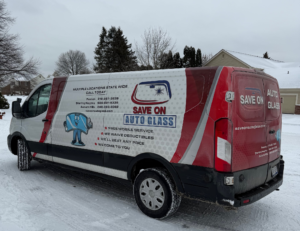

For over three decades, I have repaired and replaced windshields for drivers throughout Sterling Heights and surrounding Michigan communities. My name is Ray.
During my career, I have worked on everything from older 1990s sedans to modern vehicles equipped with advanced driver assistance systems (ADAS), heads-up displays, rain sensors, and forward-facing safety cameras.
One thing has remained consistent across all those years: many drivers wait too long before replacing a damaged windshield.
A windshield is not just a piece of glass. It is a structural safety component that supports the roof during a rollover, ensures proper airbag deployment, and provides critical visibility.
Ignoring replacement signs can compromise both driver safety and vehicle performance. Sterling Heights drivers face additional stress factors such as winter freeze-thaw cycles, road salt, gravel from construction zones, and potholes along M-59 and local roads.
This article outlines the most important signs that indicate a windshield needs replacement, explains why those signs matter, and provides professional insight based on real-world experience servicing Michigan vehicles.
Large or Spreading Cracks That Compromise Structural Integrity
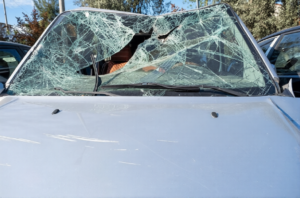
One of the clearest signs that a windshield requires replacement is the presence of large or spreading cracks. While small chips can often be repaired if addressed quickly, cracks longer than six inches typically indicate structural compromise. When a crack extends toward the edge of the windshield, the glass loses much of its strength and stability.
In Sterling Heights, temperature fluctuations are particularly harsh on cracked glass. During winter, freezing overnight temperatures followed by daytime warming create expansion and contraction cycles that push cracks outward. I have seen cracks double in size within days simply because a vehicle was parked outside during January freeze-thaw conditions.
Edge cracks are especially concerning. The perimeter of the windshield plays a major role in maintaining structural rigidity. If that area weakens, the windshield may not properly support the roof during a rollover accident. Additionally, modern windshields are bonded to the vehicle frame with high-strength urethane adhesive. When cracks reach the bonding area, the entire structural system becomes compromised.
Drivers often assume that as long as they can still see through the glass, it is safe. However, visibility is only one part of the equation. Structural strength is equally important. When cracks grow rapidly, reach the edges, or branch into multiple directions, replacement is almost always the safest solution.
Damage Directly in the Driver’s Line of Sight
Even relatively small cracks or chips can require full replacement if they are located directly in the driver’s primary viewing area. This zone is critical because even minor distortion can reduce visual clarity, particularly during night driving or heavy rain.
In my experience working with Sterling Heights drivers, glare from oncoming headlights combined with a crack in the viewing area significantly reduces reaction time. During Michigan winters, when roads are icy and stopping distances increase, even a fraction-of-a-second delay can matter.
Windshield repair involves injecting resin into a damaged area. While repairs can restore structural integrity in many cases, they may still leave slight optical distortion. If the chip or crack sits directly in front of the steering wheel at eye level, even a high-quality repair can create a subtle visual wave effect.
For this reason, professional guidelines often recommend replacement rather than repair when damage sits squarely within the driver’s line of sight. Safety and visual clarity must take priority over cost savings. If distortion affects how you perceive distance, headlights, or traffic signals, replacement is the responsible choice.
Multiple Chips or “Spiderweb” Fractures
Another clear sign that replacement is necessary is the presence of multiple chips or spiderweb-style fractures across different areas of the windshield. While a single chip can often be repaired, multiple impact points weaken the entire glass surface.
Sterling Heights roads, particularly during construction season, expose vehicles to gravel and debris. I frequently see windshields that have accumulated several small impacts over time. Drivers may ignore them individually because none seem severe. However, when combined, these weakened areas reduce overall durability.
Spiderweb fractures are particularly concerning. These radiating cracks spread outward from a central impact point and often indicate deeper internal damage within the laminated glass layers. Even if the outer layer appears stable, internal delamination may be occurring.
When damage is widespread, repair becomes impractical. Injecting resin into multiple areas does not restore full structural integrity. Instead, it creates multiple patched sections that still leave the windshield vulnerable. In such cases, full replacement ensures consistent strength, clarity, and safety.
White Haze, Delamination, or Internal Separation
Windshields are constructed from laminated safety glass consisting of two glass layers bonded with a plastic interlayer. Over time, especially in climates like Michigan’s, this bonding can weaken. One of the signs of this issue is white haze forming around the edges or inside the glass.
Delamination often begins subtly. You may notice a milky border around the perimeter of the windshield or small air bubbles forming between layers. This condition cannot be repaired because it originates inside the glass structure.
Exposure to road salt, moisture, and temperature swings in Sterling Heights accelerates this process. Once separation begins, it spreads gradually and reduces both structural integrity and visibility. Light refracts differently through separated layers, causing distortion.
If you notice fogging between glass layers, bubbling, or cloudy edges that do not wipe away, replacement is necessary. Delamination weakens the windshield’s ability to remain intact during impact and compromises the safety design of laminated glass.
Windshield Damage Affecting ADAS or Safety Systems
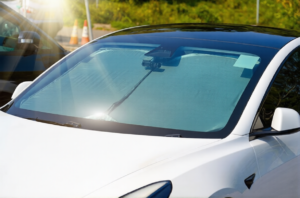
Modern vehicles rely heavily on Advanced Driver Assistance Systems (ADAS). Cameras mounted behind the windshield support features such as lane departure warning, automatic emergency braking, and adaptive cruise control. Even minor distortion in front of these cameras can interfere with calibration.
In recent years, I have worked on numerous vehicles in Sterling Heights equipped with forward-facing cameras. When a crack forms near the camera housing, it can alter how the system reads road markings or traffic conditions. Drivers sometimes report false lane warnings or inconsistent braking alerts.
Replacement becomes necessary when damage interferes with sensor clarity or calibration. After installation, proper recalibration ensures systems function accurately. Attempting to repair a crack in the camera’s field of view may still leave subtle distortion that disrupts performance.
If your dashboard displays sensor errors, calibration warnings, or inconsistent ADAS behavior following windshield damage, replacement and recalibration are strongly recommended.
Pitting, Scratches, and Surface Wear from Age
Not all windshield replacements are caused by a sudden impact. Over years of driving, especially in areas like Sterling Heights where winter road salt and debris are common, windshields gradually accumulate micro-pitting.
Pitting appears as tiny surface marks caused by small particles striking the glass at high speed. Individually, these marks seem insignificant. Collectively, they create a hazy or sandblasted effect, particularly visible when driving toward sunlight or at night under bright headlights.
Older windshields may also develop fine scratches from worn wiper blades or improper cleaning. While minor scratches can sometimes be polished, deeper surface wear reduces clarity permanently.
If you notice increased glare, reduced night visibility, or difficulty seeing clearly during rain, surface wear may be the cause. Replacement restores optical clarity and reduces eye strain during long drives.
When Replacement Is the Safer Financial Decision
Many drivers hesitate to replace a windshield because they want to avoid unnecessary expense. However, delaying replacement often leads to greater costs. A crack that could have been repaired may spread and require full replacement. Additionally, driving with compromised glass increases safety risks.
Here are general indicators that replacement is typically required:
- Crack longer than six inches
- Damage reaching the edge of the windshield
- Multiple impact points
- Damage in the driver’s direct line of sight
- ADAS camera interference
- Internal delamination or haze
Replacing at the right time prevents escalating damage and protects long-term vehicle value. In my 30+ years serving Sterling Heights drivers, I have consistently seen that timely replacement avoids larger safety and financial consequences.
Frequently Asked Questions
1. How do I know if my windshield crack is too big to repair?
Determining whether a crack is repairable depends on several factors, including size, location, depth, and how long it has been present. In general, cracks longer than six inches are rarely suitable for repair. Even smaller cracks may require replacement if they extend to the edge of the windshield, because edge damage compromises the structural bond between the glass and the vehicle frame.
In Sterling Heights, environmental factors accelerate crack growth. Winter freeze-thaw cycles and road vibrations from potholes can cause a crack that initially appears minor to expand quickly. I have seen situations where a three-inch crack doubled in length within days due to temperature changes alone.
Another important consideration is depth. If the crack penetrates both layers of laminated glass or causes internal separation, repair may not restore full strength. Damage located in the driver’s direct line of sight also often requires replacement due to potential optical distortion after repair.
The safest approach is to have the windshield evaluated promptly. A professional inspection determines whether repair can restore structural integrity or whether replacement is the responsible solution for long-term safety.
2. Is it safe to drive with a cracked windshield?
Driving with a cracked windshield is risky, even if visibility appears unaffected at first. The windshield plays a critical structural role in your vehicle. It supports the roof during rollover accidents and ensures proper airbag deployment in frontal collisions. A weakened windshield may fail under impact, increasing injury risk.
In Sterling Heights, road conditions add additional stress. Potholes, construction debris, and uneven pavement transmit vibrations through the vehicle’s frame. These vibrations can cause cracks to spread unexpectedly while driving. A small crack may suddenly lengthen across the glass after hitting a bump.
3. Can a repaired windshield crack come back?
A properly repaired windshield crack should not continue spreading, provided the repair was done early and under appropriate conditions. Professional resin injection fills the crack, bonds the glass layers, and restores much of the original strength.
However, timing plays a significant role. If moisture, dirt, or debris entered the crack before repair, the bond may be weaker. In Sterling Heights, winter conditions make moisture intrusion common, particularly if the vehicle was exposed to snow or freezing rain.
Improper DIY repairs also increase the likelihood of recurrence. If resin is not fully injected or cured properly, the crack may reappear or expand under temperature stress. Rapid heating or cooling during curing can also affect the outcome.
4. Does insurance usually cover windshield replacement?
In many cases, comprehensive auto insurance covers windshield repair or replacement. Coverage depends on your specific policy, deductible, and whether you carry full comprehensive protection. Some insurance plans cover repairs fully because repairing damage is less expensive than replacing the entire windshield.
In Michigan, policies vary. Drivers in Sterling Heights should review their coverage details carefully. If the cost of replacement is lower than or close to your deductible, filing a claim may not be financially beneficial. However, for larger cracks requiring full replacement, insurance can significantly reduce out-of-pocket expenses.
5. How long does windshield replacement take?
Windshield replacement typically takes between one and two hours for installation. However, the total time before the vehicle is safe to drive depends on adhesive curing time. Modern urethane adhesives require a specific safe drive-away time to reach structural strength.
In colder Sterling Heights weather, curing may take longer because temperature affects adhesive performance. Professional installers use manufacturer-approved adhesives designed to meet safety standards, but environmental conditions still influence curing speed.
6. What happens if I ignore small chips for too long?
Ignoring small chips often leads to more extensive and expensive damage. What begins as a minor impact can spread into a full-length crack due to temperature changes, vibration, and moisture intrusion. In Sterling Heights, freeze-thaw cycles accelerate this process significantly.
A chip weakens the structural balance of the glass. Over time, everyday driving stresses the weakened area. Even closing a car door forcefully can send vibrations through the windshield, causing a chip to branch outward.
Additionally, once dirt and moisture enter the chip, repair becomes more difficult or impossible. Resin bonds best to clean, dry glass. Delaying repair increases the likelihood that replacement will become necessary.
Final Thoughts
After three decades in auto glass, I can say confidently that windshields rarely improve with time. Damage either stabilizes quickly after repair or continues to worsen. The key is recognizing the signs early.
Large cracks, edge damage, multiple impacts, delamination, ADAS interference, and severe surface wear all indicate that replacement is the safest course of action. A windshield is a structural safety component, not simply a transparent barrier against wind and debris.
Sterling Heights drivers face unique environmental challenges—harsh winters, road salt, construction debris, and temperature swings. These factors accelerate windshield deterioration. Addressing replacement needs promptly ensures your vehicle maintains its structural integrity, optical clarity, and advanced safety performance.
Your windshield protects you every time you drive. When it shows clear signs of failure, replacing it is not optional—it is responsible vehicle ownership.