I’ve been working on cars for over three decades. My name is Ray, and I’ve seen the evolution of vehicles from the simple machines of the 90s to today’s sophisticated, sensor-laden cars. Back then, a windshield replacement meant removing a piece of glass, applying adhesive, and reinstalling it. That was it. There were no cameras, no lane assist, no heads-up displays—just plain glass.
Today, almost every modern car—BMWs, Audis, Teslas, and even SUVs in Troy or Sterling Heights—is equipped with ADAS (Advanced Driver Assistance Systems).
These systems rely on windshield-mounted cameras, radar sensors, and sometimes lidar. Proper calibration of these sensors after windshield replacement is no longer optional; it’s essential for your safety.
One question I hear frequently from Michigan drivers is: “Ray, what’s the difference between static and dynamic ADAS calibration?” It’s a fair question because misunderstanding this can cost you hundreds of dollars—or worse, compromise safety.
In this article, I’ll break down static vs dynamic calibration, explain how each method works, share common mistakes, cost considerations in Michigan, and insider tips from my 30+ years of experience. By the end, you’ll understand which calibration method your car needs and why it matters.
What ADAS Calibration Means
ADAS calibration is the process of ensuring that your car’s safety sensors—lane departure cameras, forward collision systems, adaptive cruise radar, and heads-up displays—are perfectly aligned after windshield replacement.
Back in the 90s, replacing a windshield was largely mechanical. Today, it’s both mechanical and electronic. Modern windshields are engineered with exact curvature, lamination, and sensor integration. Even a slight deviation in sensor positioning can result in false lane warnings, misinterpreted obstacles, or a blurry HUD projection.
I remember a case in Sterling Heights where a driver had a windshield replaced with low-cost aftermarket glass. The lane departure warning kept going off, and the forward collision system triggered false alerts. After proper ADAS calibration, the car functioned perfectly. That’s why calibration isn’t just a luxury—it’s critical.
Michigan drivers face unique challenges: snow, ice, road salt, and glare from low winter sun. All these factors can amplify the risks if your sensors aren’t properly calibrated.
Static ADAS Calibration
Static ADAS calibration is the process of aligning vehicle sensors while the car remains stationary. Performed in a controlled workshop environment, it relies on precise measurements, laser alignment tools, and specialized calibration targets.
The technician positions the car on level ground, sets targets at exact distances and angles, and adjusts the sensors until they match manufacturer specifications. Afterward, systems are tested for accuracy before the car leaves the shop.
Static calibration is particularly effective for optical camera-based systems, lane departure warnings, forward collision cameras, and heads-up displays. The main advantage is precision and repeatability, though it may not fully address radar-based systems that need real-world adjustments.
Dynamic ADAS Calibration
Dynamic ADAS calibration is conducted while the vehicle is in motion, allowing sensors to adjust based on real-world road conditions.
Technicians drive the vehicle along predefined routes at specific speeds, enabling cameras and radar systems to collect data from lane markings, road curvature, and traffic conditions. Sensors automatically fine-tune themselves to ensure accurate operation.
Dynamic calibration is essential for radar-based adaptive cruise control, forward collision warning, lane centering, and adaptive headlights. In Michigan, with its variable road conditions, snow, and faded lane markings, dynamic calibration ensures that ADAS systems respond reliably to actual driving environments, making it critical for both safety and sensor performance.
Static vs Dynamic – Which One is Right?
Choosing between static and dynamic ADAS calibration depends on your vehicle’s sensors, model year, and manufacturer recommendations. Static calibration works best for optical camera systems, heads-up displays, and precision features, while dynamic calibration is necessary for radar-based systems, adaptive cruise, and features that rely on real-world driving data. Some vehicles, particularly BMWs, Teslas, and other ADAS-heavy cars, require both methods for full sensor alignment. Skipping either can result in false alerts, misaligned displays, or sensor malfunctions. Always refer to the owner’s manual and consult experienced technicians who understand the calibration requirements and have the proper tools to ensure complete accuracy.
Common Mistakes Drivers Make
Over my 30+ years, I’ve seen drivers make repeated mistakes regarding ADAS calibration. Many assume windshield replacement alone is enough, neglecting calibration entirely.
Others use untrained installers without the equipment or experience to perform both static and dynamic methods. Ignoring manufacturer manuals is another frequent error—different models have specific procedures that must be followed.
Skipping verification drives after calibration also compromises safety, as sensors may misread lanes or objects. I’ve corrected cases where misaligned HUDs or false lane warnings created dangerous distractions. Properly performed calibration prevents these issues, ensuring that all safety systems function reliably under real-world conditions.
Signs Your Vehicle May Need Recalibration
Even if your windshield looks perfect, your ADAS systems might be out of alignment after replacement. Some of the most common warning signs include lane assist pulling unexpectedly, forward collision alerts going off without reason, or heads-up display projections appearing off-center.
You might also notice adaptive cruise control reacting too early or braking unexpectedly. Phantom braking, false alerts, or inconsistent sensor behavior is a clear indicator that recalibration is necessary.
Ignoring these signs not only risks safety but can also lead to repeated sensor errors and more costly repairs. Michigan drivers should be especially vigilant, as winter salt, snow, and potholes can exacerbate minor misalignments into bigger issues quickly.
Model-Specific Requirements
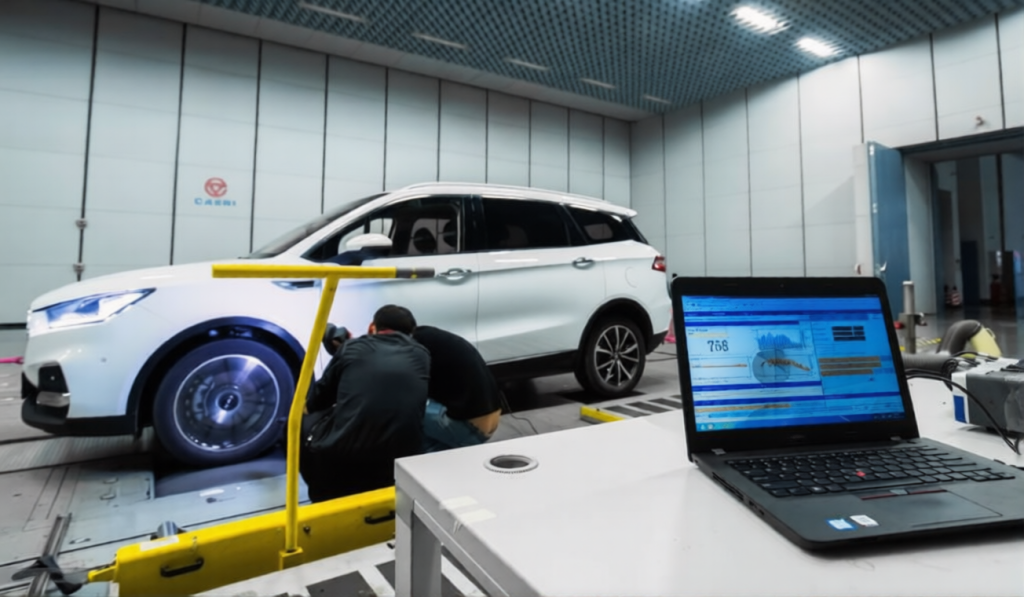
Not every car is created equal when it comes to ADAS calibration. High-end and ADAS-heavy vehicles—BMWs, Teslas, Audis, and some newer SUVs—often require both static and dynamic calibration for full sensor alignment. In contrast, older vehicles or base models with only camera-based lane assist or collision warnings might only need static calibration.
Knowing your vehicle’s specific sensors, trim level, and model year is critical. Many drivers assume all cars need the same procedure, which can result in unnecessary work or missed calibration steps. Consulting the owner’s manual or an experienced technician ensures that calibration is tailored to your vehicle, reducing errors and preventing repeated visits to the shop.
Mobile vs In-Shop Calibration
Mobile calibration services can be convenient, but accuracy can vary depending on your car and the technician’s setup. Static calibration is sometimes possible on mobile platforms using portable targets and laser alignment tools, but it requires a perfectly level surface and controlled conditions, which are easier to achieve in a workshop.
Dynamic calibration is even more challenging on the road, as traffic, lane markings, and road quality can interfere with sensor learning. For ADAS-heavy vehicles, in-shop calibration is generally recommended to ensure precise alignment. Michigan roads—especially during winter or spring—can introduce environmental variables that make mobile calibration risky, so careful consideration is essential for both safety and system reliability.
Driving After Calibration
After a windshield replacement and ADAS calibration, the job isn’t entirely complete. The adhesive that bonds the glass to the vehicle’s frame needs time to cure properly.
Driving too soon, particularly on uneven or icy Michigan roads, can cause slight shifts in the glass, affecting sensor alignment and overall safety. Even small deviations can result in false lane alerts or HUD misalignment. Patience during this period ensures that the sensors and cameras maintain the precise angles they need to operate correctly.
Experienced installers often recommend avoiding highway speeds for a day or two after installation and confirming that all ADAS systems are functioning properly before resuming normal driving. This extra care protects both your vehicle and your passengers.
Choosing the Right Technician
Not all technicians have the training or equipment necessary to handle ADAS calibration. Look for installers who are familiar with both static and dynamic methods, have experience with your specific vehicle model, and use OEM or high-quality certified glass.
Cutting corners can result in misaligned sensors, false alerts, or costly rework. A qualified technician understands local road conditions in Michigan, accounts for seasonal challenges like snow or ice, and ensures that forward collision, lane departure, and adaptive cruise systems function correctly. Choosing the right professional not only guarantees accuracy but also protects your investment in the vehicle’s safety features for years to come.
Preventive Checks After Calibration
Calibration isn’t a one-time set-and-forget procedure. After any windshield replacement or calibration, it’s wise to periodically check ADAS system performance.
Simple tests—like confirming lane assist stays centered, adaptive cruise responds properly, and HUD projections are aligned—can alert you to sensor drift. Michigan drivers, in particular, should inspect after winter road conditions, accidents, or exposure to gravel and debris, as these factors can impact alignment.
Scheduling routine checks with a certified technician ensures your systems continue functioning optimally, reducing the risk of unexpected malfunctions and maintaining the safety standards intended by the manufacturer.
Cost Considerations in Michigan
ADAS calibration involves both equipment and expertise, making it an investment in vehicle safety. In Michigan, static calibration typically costs between $150 and $350, while dynamic calibration ranges from $200 to $500.
Vehicles requiring both methods can range from $350 to $700. These costs are often included in modern windshield replacements, and insurance may cover them under comprehensive glass claims. Cutting corners or skipping calibration can lead to false warnings, sensor malfunctions, accidents, and even voided warranties.
While it may seem tempting to save money, investing in proper calibration the first time avoids higher repair costs and ensures all ADAS systems work as intended.
Expert Tips From a Veteran Installer
From decades in the trade, I’ve learned several tips for keeping ADAS systems accurate. Always use OEM or certified high-quality glass when replacing windshields with sensors. Verify your vehicle’s manual to determine whether static, dynamic, or both calibration methods are required. Allow adequate curing time for adhesives before performing calibration to ensure glass stability.
Avoid driving immediately after installation, especially in winter, until calibration is verified. Work with trained technicians who understand both sensor types and local road conditions. Attention to detail at every step guarantees that your ADAS systems operate reliably, keeping you and your passengers safe on Michigan roads.
Frequently Asked Questions
1. Can I skip ADAS calibration after windshield replacement?
No, skipping ADAS calibration is not recommended. Modern vehicles rely on sensors and cameras integrated into the windshield to operate features like lane assist, adaptive cruise control, forward collision warning, and heads-up displays.
If these sensors aren’t properly calibrated after replacement, you may experience false alerts, malfunctioning safety systems, or misaligned HUD projections. In real-world driving, this can compromise your safety and increase accident risk. Proper calibration ensures that your vehicle interprets road conditions accurately, maintaining all active safety functions. Skipping this step may also void warranties or insurance coverage related to ADAS-equipped systems.
2. How do I know if my car needs static or dynamic calibration?
Determining the correct calibration method depends on your vehicle’s sensor type and manufacturer specifications.
Camera-based systems, like lane departure or forward collision cameras, typically require static calibration, which is done in a controlled environment using targets and precise measurements. Radar-based systems, such as adaptive cruise control or blind-spot detection, usually need dynamic calibration, performed while driving on predefined routes.
Some vehicles, including luxury or ADAS-heavy models, may require both methods for full sensor alignment. Always consult your owner’s manual or a certified technician to identify the correct method for your vehicle to ensure all safety systems function accurately.
3. How long does ADAS calibration take?
The duration of ADAS calibration varies depending on sensor type, vehicle model, and complexity. Static calibration typically takes 1–2 hours, as it requires precise setup, positioning of targets, and controlled adjustment of camera systems.
Dynamic calibration often requires an additional 30–60 minutes or more, depending on the vehicle and the number of sensors being calibrated, because the car must be driven along specific routes while collecting real-world data.
Combined static and dynamic calibration can take 2–4 hours in total. Experienced technicians schedule sufficient time for testing all ADAS functions afterward to ensure lane assist, adaptive cruise, and collision systems operate reliably.
4. Does insurance cover ADAS calibration?
Many comprehensive auto insurance policies in Michigan cover windshield replacement and related ADAS calibration, especially when the damage is due to debris or an accident. However, coverage and deductibles vary by provider and policy.
Some insurers include full calibration costs automatically, while others may only cover part of the service. It’s important to verify with your agent before service to understand what is included. Performing calibration properly ensures your safety systems continue to function, which may also prevent future claims caused by sensor malfunctions.
Always confirm coverage details to avoid unexpected out-of-pocket expenses.
5. What happens if calibration is done incorrectly?
Incorrect ADAS calibration can lead to serious safety and performance issues. Lane departure warnings may trigger falsely, forward collision alerts may fail to activate, adaptive cruise control can operate improperly, and heads-up displays may project misaligned information. These errors can distract the driver, reduce situational awareness, and increase the risk of accidents. Incorrect calibration may also void warranty coverage for ADAS components.
Often, re-calibration by a trained technician is required to restore proper function. Performing calibration according to manufacturer specifications ensures that all safety systems respond accurately to real-world driving conditions.
6. Can mobile services perform accurate calibration?
Yes, mobile services can perform ADAS calibration accurately, but only if the technician is properly trained and equipped. Static calibration can sometimes be completed in mobile setups using portable targets and laser alignment tools.
Dynamic calibration is more complex, requiring specific driving routes, measured speeds, and controlled road conditions. Mobile services may face challenges with traffic, lane markings, or environmental factors that can affect calibration accuracy.
To ensure proper ADAS function, it’s essential to confirm that the technician understands both static and dynamic methods and has experience working with your specific vehicle make and model.
Conclusion
ADAS calibration is no longer optional—it’s essential for modern vehicles, especially in Michigan with our variable weather and winter road conditions. Understanding the difference between static and dynamic calibration ensures your vehicle’s sensors operate accurately, keeping you and your family safe on the road.
From my 30+ years of experience, OEM glass, professional installation, and proper calibration are non-negotiable. Skipping any step can compromise your car’s safety systems and lead to costly mistakes.
When it comes to windshield replacement and ADAS calibration, always choose experience over shortcuts. Your safety—and the safety of everyone on Michigan roads—depends on it.